

This guide addresses a practical hotel management question and its connection to guest experience and property performance. Explore our management approach, see the operating platform and speak with Feathers Hospitality to explore how Feathers Hospitality approaches these topics.
Use the steps as a decision framework, not as a substitute for the property’s approved procedures, signed agreements or qualified professional advice. Confirm any technical, legal, privacy or safety requirements that apply before changing the operation.
- Compare the guest’s booking promise with the room delivered.
- Check all channels, translations, images and room mappings.
- Resolve the current stay and correct the source of the gap.
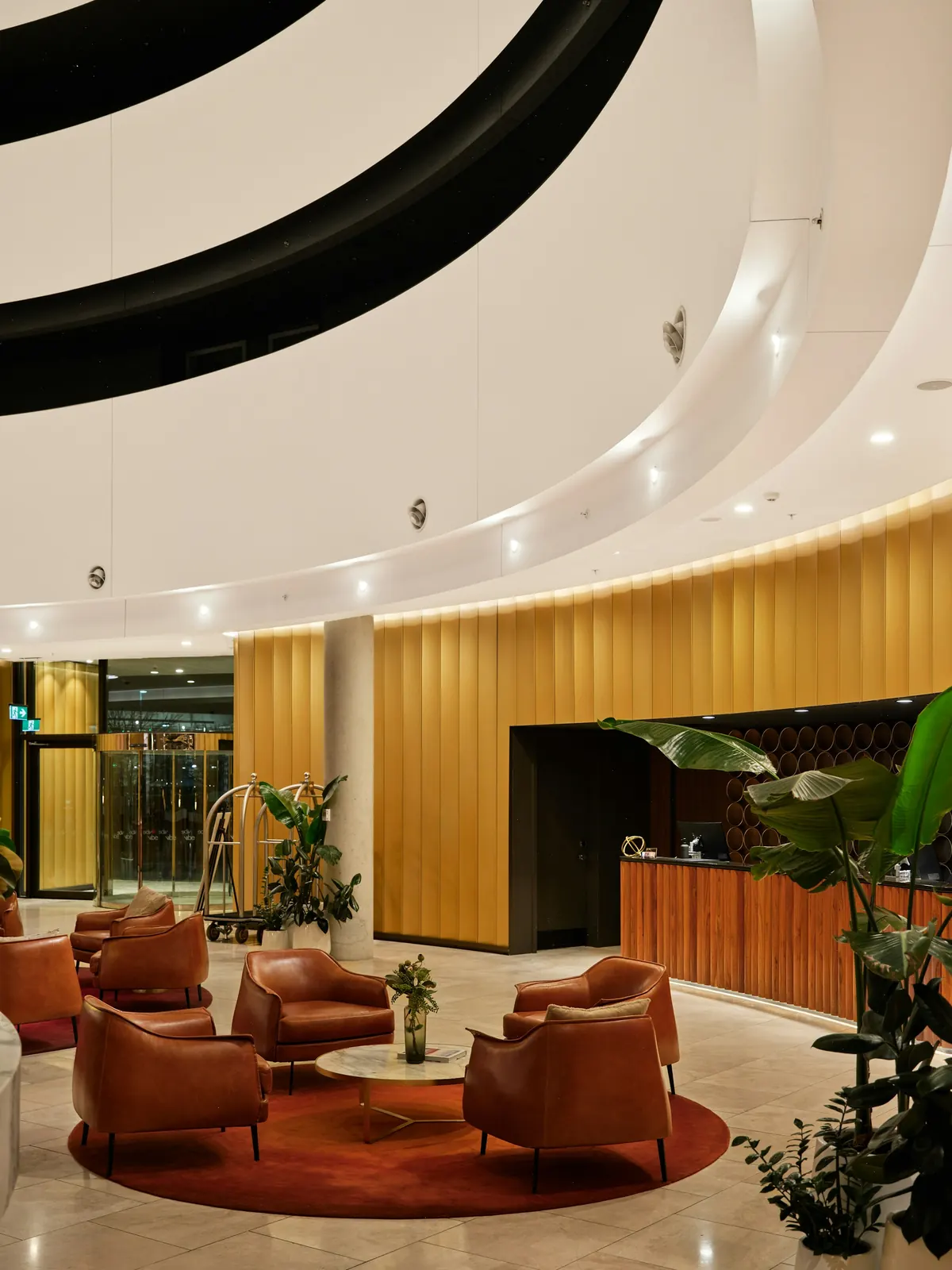
Record the specific expectation and room delivered
Ask which detail did not match: view, bed type, size, location, accessibility feature, equipment or another stated characteristic. Compare the guest’s booking confirmation with the live listing and the room actually assigned. Preserve the version and date of the description if it has changed. Avoid arguing from memory or assuming that two rooms in the same category are identical.
Separate an incorrect description from a reasonable difference in expectation. The wording, images, room category and qualifiers all matter. Record observable facts and the guest’s account without dismissive labels. If the issue concerns safety or an accessibility feature, prioritize the relevant procedure and involve the responsible manager promptly.
Check the source of the promise
Review the property website, booking channels, room-category mapping, photos, text templates and any third-party feed. A correct website description may still be contradicted by an outdated channel page or a translation that has drifted. Confirm which version the guest saw and whether a recent renovation, maintenance closure or room reassignment changed what was available.
Assign one owner for the master description and a clear process for changes. Operations should tell the content owner when rooms or features change; reservations should confirm that channel mappings still match the inventory. Keep a record of approval and the date each channel was checked. Consumer guidance in the EU emphasizes accurate, clear information about the characteristics of travel services; have legal counsel advise on a particular dispute.
Respond to the current guest fairly
Acknowledge the difference and explain what can be verified. Ask what outcome would help, then offer options that are actually available and within the employee’s authority. Do not promise a room move, refund or upgrade before confirming the operational and commercial position. If the room cannot be changed immediately, explain when the next update will come and who owns it.
Apply the property’s service recovery and booking terms consistently while considering the specific circumstances. Document the agreed action and ensure the receiving shift knows what remains pending. Avoid asking the guest to prove a point already visible in the booking record. Protect other guests’ information when discussing room availability.
Find whether the gap is isolated or systemic
Compare the complaint with similar room categories, recent photos, maintenance records and other guest feedback. A view description may only apply to some rooms; a bed type may not be guaranteed; a feature could be out of order. Check the source of each discrepancy and correct the underlying listing or allocation rule.
Do not change all listings based on one assumption. Verify representative rooms and have someone who understands the booking channel confirm how the content appears on mobile and desktop. Where accessibility characteristics are described, validate them with the responsible staff and current room configuration. Repeated discrepancy is a control issue that deserves a tracked corrective action.
Close the loop with a controlled update
When a listing changes, update all relevant languages and channels, room-category mappings, photos and internal reference material. Confirm that the change is visible to a prospective guest and that staff can find the same information at check-in. Keep screenshots or an audit record for important changes.
Track complaints by description element, channel, room type and resolution, with counts and context. Review whether the change reduces repeat reports without making the description vague or less useful. The goal is a precise, appealing account of what guests can reasonably expect, not wording that hides meaningful differences.
Frequently asked questions
What if the guest booked through an online travel agency?
Review the confirmation and the listing shown on that channel, then follow the agreement and service recovery process for that booking.
Should every room in one category have identical photos?
Only if the images accurately represent the rooms included. Explain meaningful differences or use representative photos with clear qualifiers.
Who should approve description changes?
Assign one content owner and require operations to verify room facts and channel mappings before updates go live.