

Closing rooms or a coastal hotel for a quieter season changes how the building is used, but it does not remove every operating risk. A planned inspection helps owners and managers decide what to protect, maintain and check before reopening.
Conditions vary by site and season. Use current IPMA warnings and qualified building, electrical and mechanical professionals for site-specific decisions. Explore Feathers Hospitality’s asset-management approach, operations platform and contact team.
In brief
- Inspect the envelope and exposed areas.
- Keep life-safety systems and controls clear.
- Record work and rehearse reopening.
Set the closure boundary and owner
List which rooms, services, kitchens and public spaces will stop operating, and what remains active. Name the person responsible for each building system, emergency call and contractor visit. Confirm whether the property is fully closed, partially staffed or still receiving guests in selected areas; those models require different checks.
Record dates, access arrangements, utilities, insurance conditions and the reopening decision owner. Do not assume that a seasonal closure permits a system to be switched off. Fire detection, security, frost protection, ventilation or water controls may need to remain active, subject to the equipment design and professional advice.
Inspect the building exterior and weather exposure
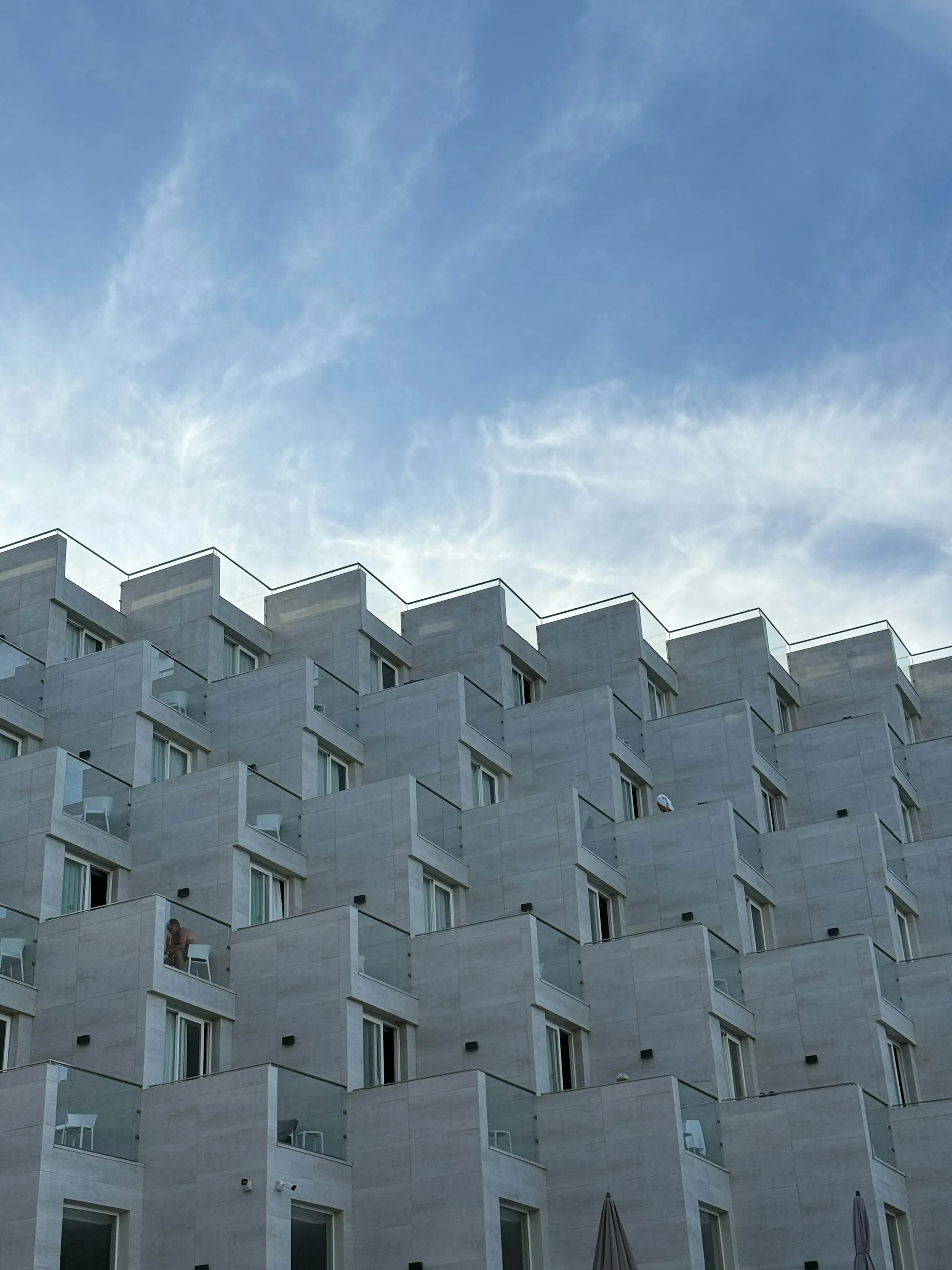
Walk roofs, balconies, drainage, windows, external doors, loose fittings and areas where water can enter. Photograph defects from a safe location and assign priority by consequence and repair lead time. Near the coast, salt exposure and wind-driven rain can affect materials differently, but the actual condition must be confirmed on site rather than inferred from location alone.
Check IPMA coastal-event warnings before planning exposed work and use ANEPC guidance for general preventive measures. These public sources help with awareness; they do not replace a structural inspection, method statement or the contractor’s risk assessment. Keep guests and staff away from unsafe areas until a competent person clears them.
Agree how each system will be left
Create a system-by-system schedule for water, heating, cooling, ventilation, drainage, kitchens, lifts and pools where relevant. Record the authorised state, isolation point, person responsible and restart steps. A blanket instruction to drain, shut down or leave everything running can damage equipment or create a health and safety issue.
Ask the manufacturer or service contractor which conditions protect the specific installation during idle periods. Document alarms, remote monitoring, temperature limits and who receives an alert. Never bypass a protective device simply to reduce utility use; record the reason for any approved setting change and how it will be restored.
Maintain safety, security and access
Confirm fire detection, emergency lighting, access control, alarms and emergency contacts for the reduced staffing model. Test contact escalation using the people who will actually be on call. If a system is impaired, follow the approved impairment procedure and arrange temporary controls with the competent responsible person.
Limit keys and digital permissions to those who need access during closure. Keep a log of contractor visits, work areas and any temporary alarm changes. Remove accessible guest information from closed areas and store records through approved systems. Secure spaces without blocking emergency routes or access needed by emergency services.
Protect rooms, furnishings and moisture-sensitive areas
Remove perishable goods and follow manufacturer guidance for fridges, laundry equipment, spa systems and other specialist assets. Check leaks, ventilation and signs of damp before closing each room. Leave doors, curtains or internal equipment in the position recommended by the property’s technical team; generic advice may not suit every room or climate system.
Set a routine visit schedule and log the date, observations, readings and action taken. Look for water ingress, unusual odours, pest activity, power alarms and unauthorised access. Define who can approve a repair and how it is escalated if the primary contact is unavailable.
Plan the reopening before the closure starts
Work backwards from the planned first arrival. Allow time for contractor checks, cleaning, safety tests, inventory, staff training and guest communication. Create a list of services that need commissioning or inspection before they are made available. A calendar entry saying “reopen” does not prove that rooms are ready to sell.
Hold a brief tabletop exercise: who authorises opening if a pump, lift, booking system or access control is not ready? Keep the result, open issues and owners in one place. Compare actual closure costs and repairs with the plan after reopening, then update the checklist for the next seasonal cycle.
Frequently asked questions
Can we turn off every system while the hotel is closed?
No. The safe state depends on the equipment, building and legal requirements. Confirm shutdown and restart steps with competent professionals.
Should the reopening date be published before inspections finish?
Publish only what the operator can support; keep a readiness decision and contingency date for unresolved safety or service issues.