
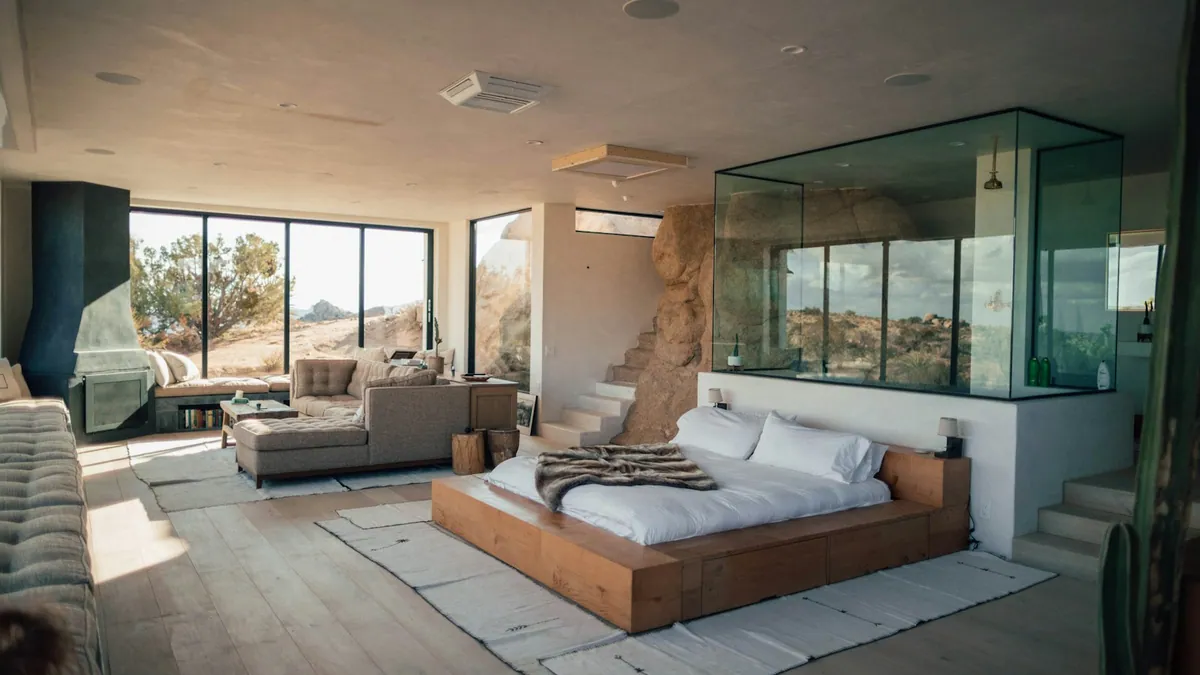
A shared lounge can serve guests in different ways: a quiet place to read, a work area, a meeting point or an extension of reception. Asking how people use it helps the owner decide what to maintain, equip or change. The review should observe real patterns without assuming that low use means low value. For related ownership and operational context, see the hotel-owner perspective, hotel operations, and Feathers Hospitality’s management approach.
Consider accessibility, privacy, safety and the service promise when reviewing a shared space. For property and operating context, see hotel owners, hotel operations and the Feathers Hospitality management approach.
At a glance
- Observe use across times, guest types and operating conditions.
- Ask what prevents use and what the space should support.
- Test changes before committing to a permanent redesign.
Clarify the decision about the lounge
Decide whether the question concerns seating, work, noise, opening hours, furniture, service or use of space. A vague question such as “is the lounge popular?” does not identify what the owner can change.
Set observation times that include different days and occupancy levels. Note weather, events, temporary closures and staffing. One quiet visit is not enough to describe usual use.
Observe how the space is actually used
Record broad patterns: seating choice, dwell time, group size, device use, traffic and conflicts with other activities. Avoid identifying individual guests unless a specific service issue requires it. Respect privacy and do not record conversations.
Check whether people use the lounge but do not stay, avoid certain areas or ask staff for another option. Consider that activity can be valuable even when it does not create direct revenue.
Ask guests and staff focused questions
Ask whether the space was easy to find, comfortable for the intended activity and available when needed. Keep questions short and optional. Staff can explain repeated requests, but their impressions should be compared with direct observation.
Invite feedback from different times and accessible formats. Avoid assuming guests who do not speak up are satisfied. Do not collect personal data that is unnecessary for the design decision.
Check access, comfort and service conditions
Review routes, seating heights, lighting, acoustics, power, signage and housekeeping. A lounge may work for one activity and fail another. Consider wheelchair circulation, quiet use and access to help as part of the assessment.
Confirm cleaning, furniture condition, opening hours, security and nearby services. If the space has a booking or event function, define how those uses interact with everyday guest access.
Compare options and trade-offs
Potential changes may include zoning, movable furniture, power access, quiet hours, revised signage or clearer service information. Estimate setup and maintenance costs as well as effect on other spaces. Avoid costly renovation before testing a reversible adjustment.
Make sure a trial does not block routes or remove seating needed by some guests. Define what evidence would support keeping the change, and who can revert it if it creates a problem.
Review the effect after a trial
Compare observations and feedback before and after the change across similar conditions. Track complaints, requests and staff workload, not just occupancy. Note whether events, season or room occupancy changed at the same time.
Update the space plan and operating instructions if the change remains. Revisit the decision when services, accessibility needs or property use change. Retain lessons without storing guest identities.
Frequently asked questions
How can I know whether the lounge is underused?
Observe activity across time and occupancy, ask guests and staff, and compare it with the intended purpose. Footfall alone may not capture value.
Should a lounge be redesigned to generate revenue?
Only after considering guest purpose, operating cost, access and the effect on other services. A quiet shared space can support the stay without direct sales.