
A corridor can look adequately lit during a daytime inspection and feel unclear after dark. Guests need to recognize the route, door numbers, changes in level and points where they must choose a direction. A useful check records the conditions at the hours the corridor is used, separates different causes and confirms the result after any adjustment. For related ownership and operational context, see the hotel-owner perspective, hotel operations, and Feathers Hospitality’s management approach.
Lighting and electrical changes should be assessed by competent professionals where required. For related ownership and operational context, see the hotel-owner perspective, hotel operations, and Feathers Hospitality’s management approach.
At a glance
- Inspect the same routes after dark under normal operating conditions.
- Record glare, shadows, contrast and failed fixtures by location.
- Verify improvements in use and maintain the updated equipment.
Set a repeatable inspection route
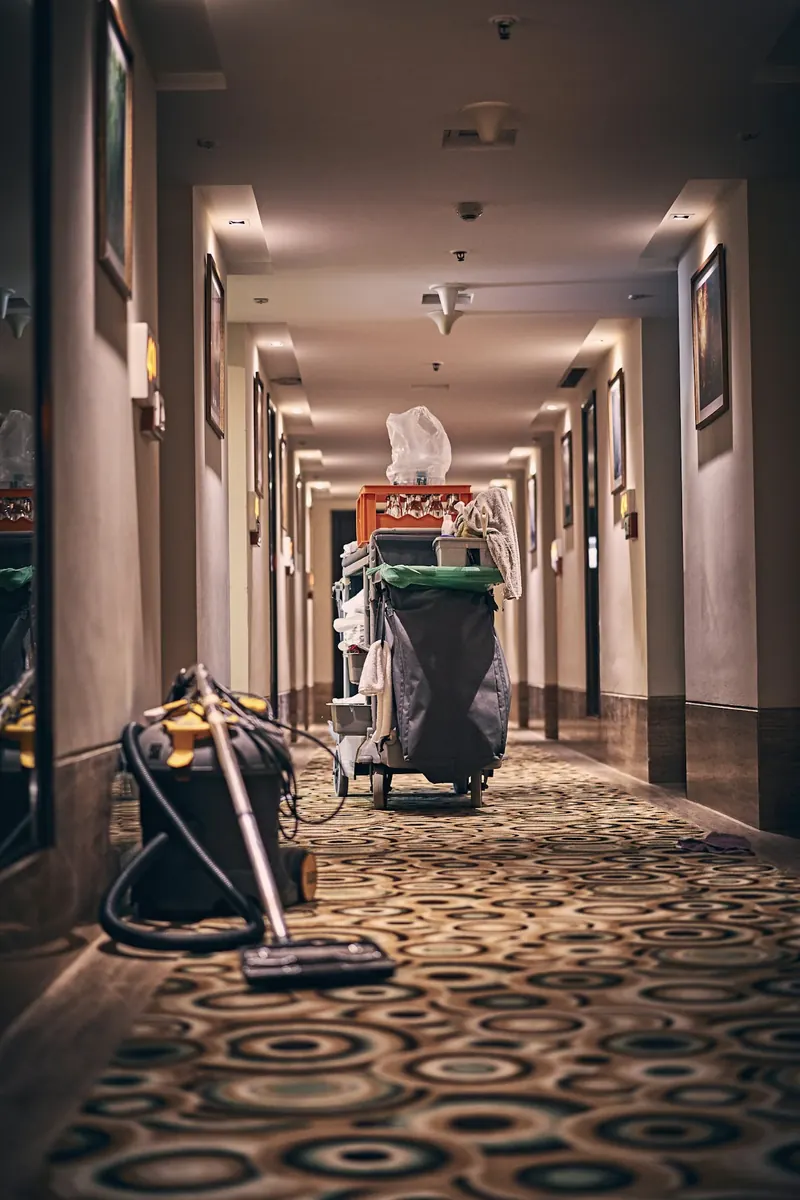
Map guest corridors, stairs, lifts and connections to shared spaces. Choose a safe inspection time after natural light has faded and note which controls or sensors are active. A route that appears clear in daylight may change when curtains close, doors shut or only part of the lighting is scheduled.
Use the same route and observation points on repeat visits. Do not turn off safety lighting or enter restricted plant areas for the sake of a test. Follow the property’s operating and safety procedures, and have technical staff manage any controlled adjustment.
Observe what the light helps people recognize
At each point, note whether a person can distinguish the direction, room numbers, doorways and floor changes. Record glare, reflections, abrupt transitions and dark patches as separate observations. The location and viewing direction make the note actionable; “the corridor is dim” does not identify what needs correction.
A staff member familiar with the building may navigate from memory and miss a confusing junction. Invite a colleague from another department to walk the route without prior instructions. Where suitable, gather guest comments through normal service channels rather than conducting a disruptive test.
Check the whole wayfinding system
Lighting works with signs, contrast, door placement and the shape of the corridor. Confirm that a guest can find a sign before reaching a decision point and read it from a realistic distance. A bright fixture does not compensate for an inconsistent room numbering scheme or a sign hidden behind a door.
Compare repeated areas and note where differences appear without assuming every floor needs identical equipment. If a route or sign is unclear, address that cause directly. Ask accessibility specialists or qualified designers to review changes where the property’s obligations or users’ requirements call for it.
Diagnose before selecting equipment
A dark patch may come from a failed lamp, blocked fitting, control schedule, shadow or unsuitable distribution. Check the simplest explanations first and confirm the circuit and maintenance record. Replacing every fixture with a brighter model may create glare or consume more energy without improving the route.
For a project, compare output, distribution, controls, energy use, maintenance access and compatibility. Have the electrical design and installation assessed by the appropriate professionals. Preserve a record of the chosen specification so later replacements do not introduce a different light pattern unexpectedly.
Test a change in real conditions
After repair or adjustment, revisit at the same time and from the same viewpoints. Confirm that doors, signs and floor changes are easier to distinguish, that no new glare was introduced and that controls behave as expected through the night. Record any remaining limitation rather than marking every issue closed.
Do not use an informal walk-through as a substitute for required measurements, certification or commissioning. A technical professional should define those checks when the project needs them. The operational review complements that evidence by testing whether the route makes sense to its users.
Build the findings into routine maintenance
Track failed or flickering fixtures, dirty covers, changed furniture and control settings. Record exact location and time so the next shift can reproduce the issue. Keep spare components consistent with approved specifications and communicate any temporary reduction in lighting to the duty team.
Review repeated reports and changes after refurbishment. A lighting plan that was correct at handover can become ineffective after signs move or a wall colour changes. Assign a review owner and include the route in planned inspections when the property has recurring night-use issues.
Frequently asked questions
Should every corridor use the same light level?
Not automatically. Layout, surface, use and technical criteria differ. Assess each route and involve qualified professionals when design or safety measurements are needed.
Can staff approve new fixtures after a quick night walk?
A walk can identify problems but does not replace design, electrical review, testing or commissioning that the project requires.