

This guide addresses a practical hotel operating question. Explore our management approach, see the operating platform and speak with Feathers Hospitality to learn how Feathers Hospitality approaches these topics.
Adapt the recommendations to the property’s actual procedures, data, agreements and conditions. Confirm technical, legal, employment, safety or accessibility matters with qualified professionals before changing operations.
- Explain hours, access, capacity, charges and booking rules.
- Coordinate closures and accessibility information across channels.
- Measure guest confusion and update one source of truth.
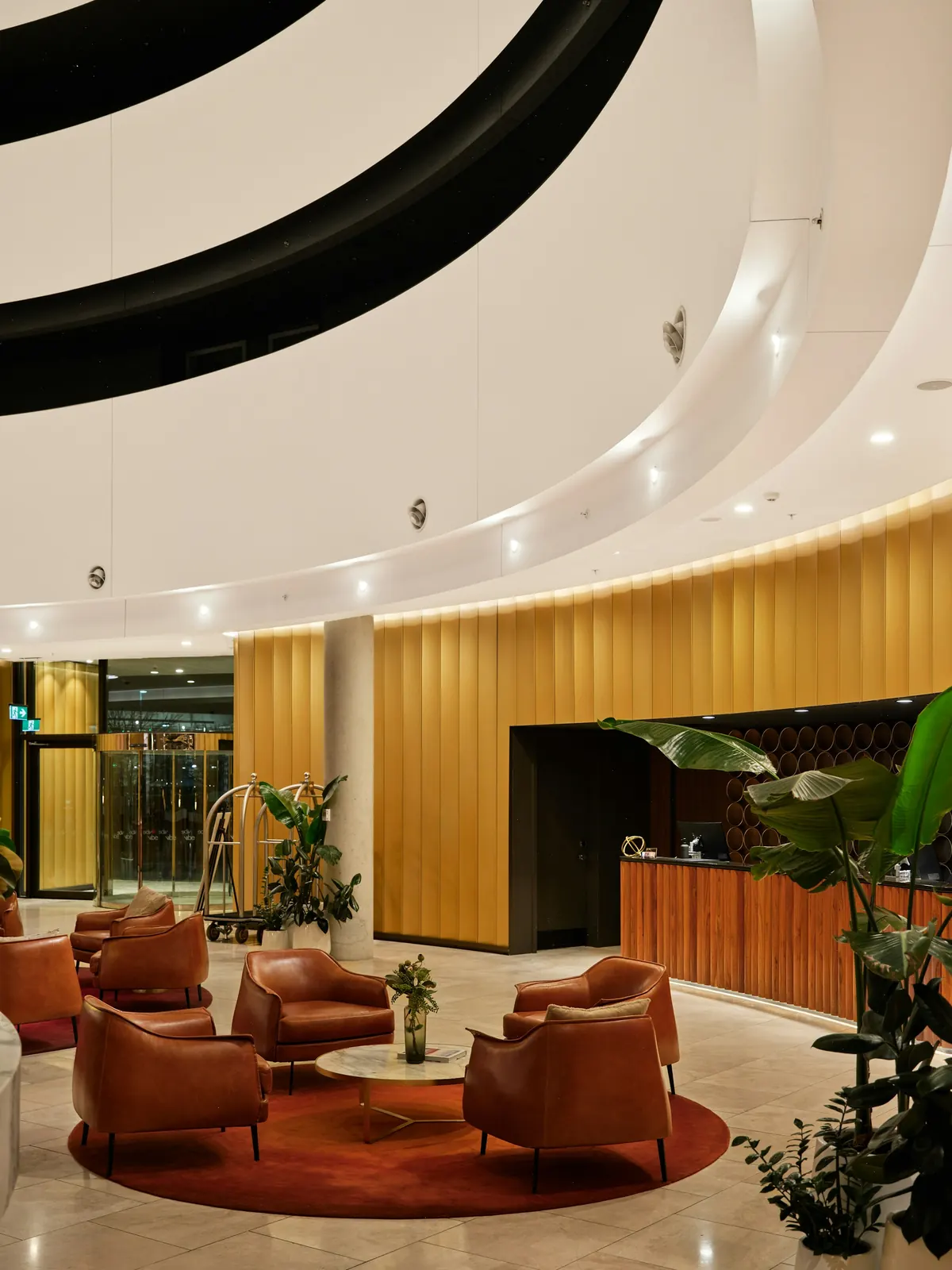
Describe availability in practical terms
For each amenity, state location, operating hours, access rules, reservation needs, capacity limits, age or supervision conditions and any charge. Do not rely on a broad label such as “full facilities” if the pool, spa or gym is seasonal, shared with another venue or available only by appointment.
Use information that reflects the current service. If equipment is temporarily closed or hours change, update booking pages, confirmation messages, signs and staff references. Clarify whether access is included in the rate, requires booking or depends on availability.
Explain capacity without promising exclusivity
Tell guests when an amenity is shared, whether time slots are used and how long a booking lasts. If no reservation system exists, explain any queue or priority practice. A guest may interpret “available” as immediate access; clarify what can reasonably be expected during busy periods.
Avoid displaying a capacity number that staff cannot enforce. If a service is operated by a third party, confirm responsibility for access, payments, safety and guest complaints. Ensure the information in the hotel’s own channels matches the provider’s live procedures.
Plan for closures and service recovery
Define who can close an amenity, how the decision is communicated and what alternative can be offered. A safety concern should follow the property’s incident process. For planned work, give advance notice when possible and update the listing before new reservations are made.
When a guest is disappointed, acknowledge the difference between the advertised service and what is available. Check the booking terms and actual circumstances before offering a remedy. Assign one person to follow up and make sure the next shift knows what has been agreed.
Consider accessibility and varied needs
Explain routes, surfaces, booking steps, sensory conditions and any assistance available in language a guest can use to decide. Avoid assuming that a single accessibility label describes all needs. Invite the guest to contact the hotel with a specific question and ensure staff know who can verify technical features.
Tourism de Portugal’s accessible-accommodation guidance connects inclusive service with access to facilities, clear information and staff preparation. Use it to review the whole experience, including how a guest reaches the amenity and returns to the room, rather than checking only the entrance.
Train staff and keep one source of truth
Create a concise service card for reservations, front desk and the team running the amenity. Include current hours, booking route, price, capacity, restrictions, accessibility contact and closure process. Assign an owner to update it when the service changes and tell all departments when a change is made.
Review guest questions and complaints by amenity and season. Repeated uncertainty often means the information is hard to find or the policy is inconsistent. Test the guest journey from booking to access, then revise the wording and staff briefing together.
Check whether expectations match delivery
Compare questions, no-shows for booked slots, access issues and satisfaction with actual availability. Separate an operational failure from a guest preference and from a description that was unclear. Use counts and context rather than a single rating.
The hotel should promise what it can deliver consistently and explain reasonable limits before arrival. Clear expectations support a more relaxed stay and help staff handle changes with fairness.
Frequently asked questions
Should every amenity need a reservation?
Use a booking system when capacity or service delivery requires one, and explain the process clearly.
What if an amenity closes after booking?
Communicate the change, explain available alternatives and follow the property’s service recovery process.
Can a third party manage guest expectations?
The hotel and provider should agree who owns access information, updates and guest support.