

In a large hotel, guests can miss a service even when it is technically available. The route may be unclear, opening hours may be hard to find, or the service name may differ between the website and signs. A wayfinding review tests whether a first-time visitor can locate the places they need and understand what happens when an area is closed or moved. Para enquadrar a decisão, consulte guest experience services hotel operations hotel operations articles.
Good service depends on clear ownership, useful information and follow-through. The Feathers Hospitality approach supports that coordination while each property confirms its atual operating conditions.
Key points
- Make responsibilities and evidence clear before acting.
- Separate confirmed facts from assumptions.
- Assign an owner and review date.
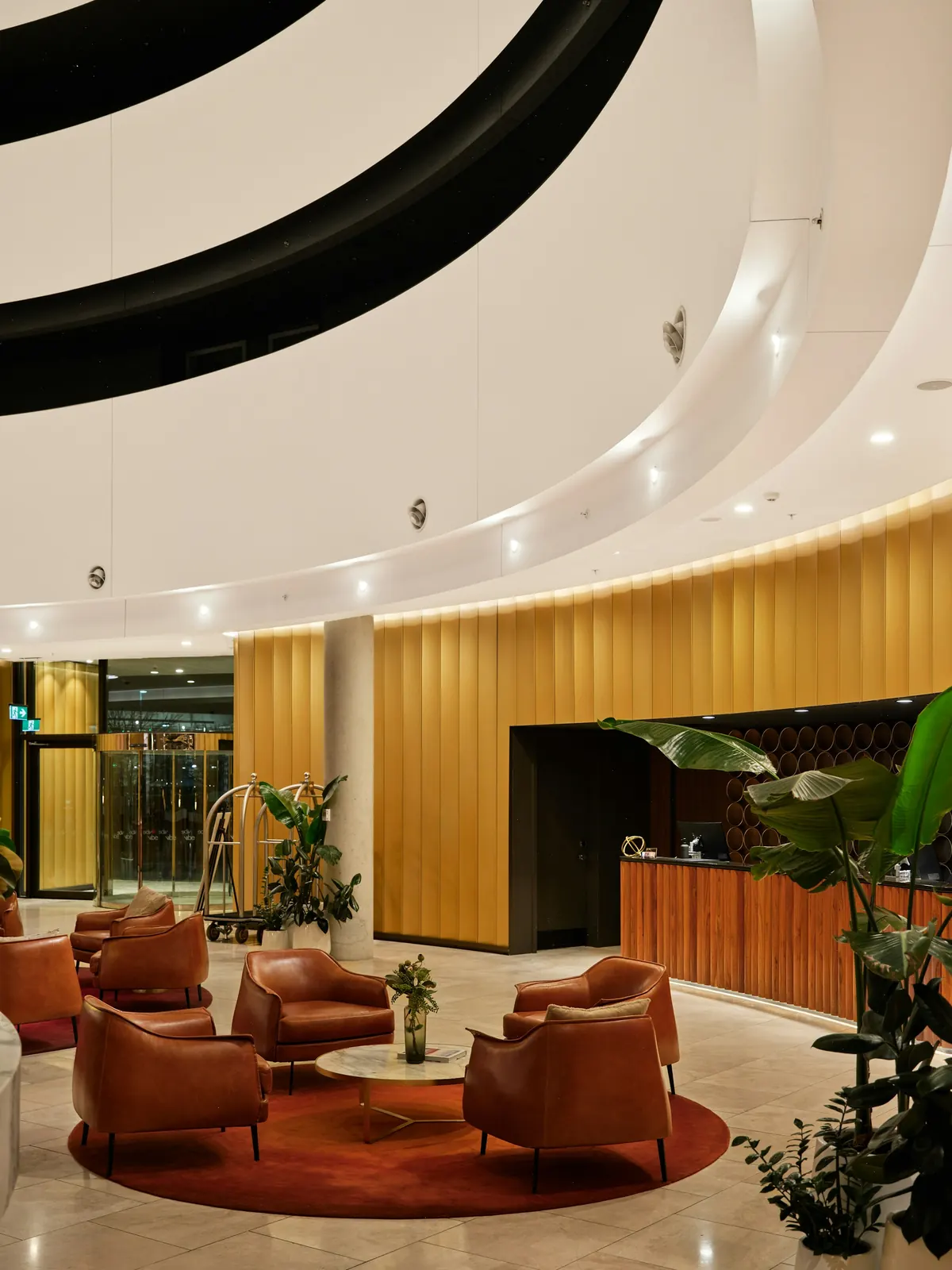
Map decisions, not just corridors
Walk from common starting points to reception, lifts, dining, meeting areas and guest facilities. Record every junction where a person must choose a direction, including changes of floor and entrances. A technically correct floor plan does not show whether the sign appears before the guest needs to turn.
Include routes from parking, accessible entrances and less prominent lifts. Check the return journey as well: guests need to find their room after using a service. Avoid using back-of-house shortcuts as the only directions for public areas.
Use one name for each destination
Align the names on signs, room information, booking pages and staff scripts. If a restaurant has a brand name and a functional description, show both where useful. Unfamiliar abbreviations can make a guest think a service is private or unavailable.
Keep directional language short and consistent. Pair arrows with destination names and, where useful, floor numbers. Do not depend on colour alone; guests may not see a colour difference or remember a colour-coded route.
Place information before a choice
A sign after the junction cannot help someone choose at the junction. Put confirmation at decision points and repeat it after major turns. Use signs at a readable height and with enough contrast from the background. Check whether furniture, temporary displays or event equipment block the message.
During events, define who changes temporary signs and who removes them afterwards. Test the setup with a person who has not seen the plan. If a route changes, update staff instructions and guest information at the same time.
Explain service hours and closures
A sign that points to a closed facility creates a second problem. Show current hours and how guests can confirm changes. If a service moves or closes temporarily, place a clear notice at the expected location and indicate the verified alternative.
Use a digital display only if it updates reliably and can be read from the normal approach. Keep a non-digital explanation available for guests who do not use a phone. Avoid saying “ask reception” as the only direction if the desk is difficult to find.
Review accessibility and communication needs
Check route continuity, lift availability, step-free alternatives, tactile or audio information where relevant, and the clarity of written directions. Ask for input from people with different needs rather than assuming that one route suits everyone. Do not describe a route as accessible until its specific conditions are checked.
Digital maps and pages should have meaningful headings, labels and keyboard operation. Physical access is a separate assessment involving the building and route. Use trained advisers when changes to access or safety signs require specialist review.
Measure whether the change helped
Track repeated direction requests, wrong turns reported to staff, missed appointments and comments about unclear signs. Define how the observation is collected and avoid counting the same guest interaction several times. Supplement numbers with brief walk-throughs.
Choose a small set of signs to change and review after an operating period. Check day and evening conditions and the impact of event layouts. A drop in questions may reflect fewer guests using the service, so interpret the measure alongside usage and occupancy.
Frequently asked questions
Where should a team start?
Choose a specific decision and identify who has authority to make it. Gather the records relevant to the question, confirm the period and note gaps before comparing options.
When should the decision be reviewed?
Set a date or observable trigger when approving it. Review sooner if an important assumption changes, a new risk appears or operations no longer meet agreed conditions.